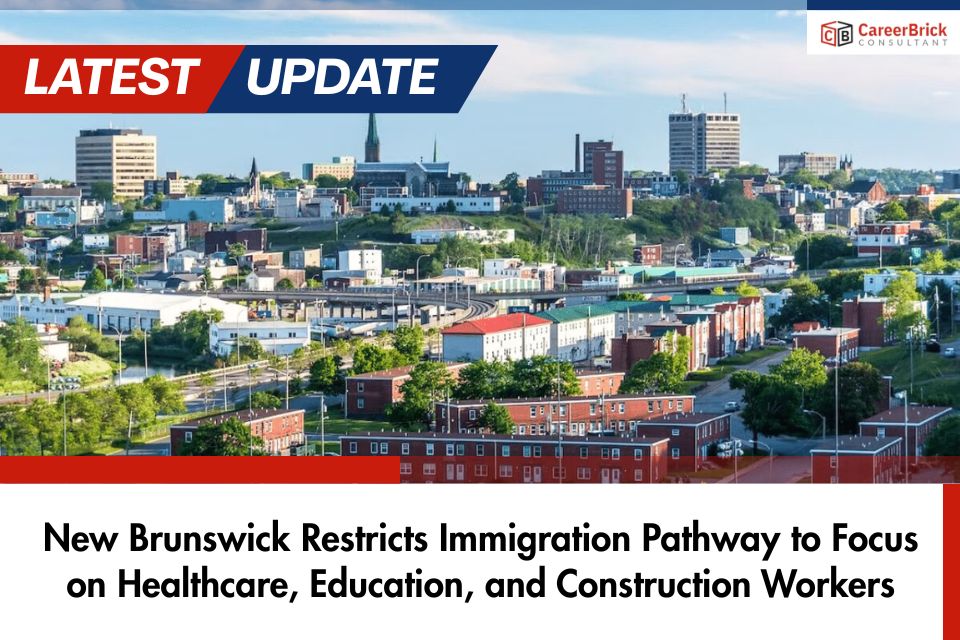
In a significant policy shift aimed at addressing labor shortages in critical sectors, the New Brunswick Provincial Nominee Program (NBPNP) has announced new restrictions on its immigration invitations. Effective May 4, 2026, the province will limit the issuance of Invitations to Apply (ITAs) under the NB Experience pathway of its Skilled Worker Stream exclusively to candidates working in healthcare, education, and construction trades. This change applies until further notice, signaling a strategic prioritization of occupations deemed essential for the province's economic and social well-being.
This decision reflects the growing pressures on provincial immigration programs across Canada. With a finite number of nomination spots available each year, governments must allocate resources where they can have the most impact. New Brunswick, like many other provinces, faces challenges in filling key roles that support public services and infrastructure development. By narrowing the focus, the program hopes to attract and retain talent that directly contributes to these priority areas.
Why This Change Matters
New Brunswick's move is driven by the limited nomination allocation for 2026. While the exact figures have not been publicly detailed by the provincial government, estimates suggest around 3,603 nominations for the year. How these spots are divided among various streams remains unclear, but the emphasis on specific sectors underscores a targeted approach to immigration. Healthcare workers are vital for maintaining hospital and clinic operations, especially in rural and aging communities. Educators help build the future workforce, and construction professionals support housing and infrastructure projects that are crucial for population growth and economic expansion.
For prospective immigrants, this policy highlights the importance of aligning one's skills with provincial needs. Occupations in these fields—ranging from nurses and teachers to electricians, plumbers, and carpenters—now stand a better chance of receiving an ITA through the NB Experience pathway. Candidates in other sectors may find their paths more competitive or restricted, prompting them to explore alternative routes to permanent residency in Canada.
Options for Candidates in Non-Targeted Sectors
If you have already submitted an Expression of Interest (EOI) under the Skilled Worker Stream but work outside the prioritized areas, there are still avenues to pursue. The Government of New Brunswick recommends considering the following steps:
- Withdraw your current EOI and submit a fresh one under a different eligible stream or program where you qualify.
- Maintain your existing EOI profile while creating a new profile (using a different email address) to apply to another stream or seek endorsement under the Atlantic Immigration Program (AIP), if eligible.
These options provide flexibility, allowing individuals to adapt to the evolving landscape without completely restarting their immigration journey. However, applicants should carefully review their eligibility criteria, language proficiency, work experience, and job offers to maximize their chances.
Broader Context: Recent Reforms in New Brunswick Immigration
This latest adjustment builds on major overhauls implemented by the province in February 2026. At that time, New Brunswick introduced restrictions across its programs to better align immigration with labor market demands. For instance, the province stopped accepting new EOIs or issuing ITAs for workers in the accommodation and food services sector under both the Skilled Worker and Express Entry streams. Additionally, it excluded 14 specific National Occupational Classification (NOC) codes from consideration in the Skilled Worker Stream, including roles like cashiers, retail sales supervisors, and service station attendants.
Similar limitations were applied to the Express Entry Stream, where four particular NOC codes became ineligible. These changes aimed to redirect focus away from sectors with sufficient local supply or lower skill requirements toward those facing acute shortages.
The province also extended its Private Career College Graduate Pilot program through the end of 2026, but only for international students already enrolled in qualifying programs at designated New Brunswick institutions. Updates to the Atlantic Immigration Program were introduced concurrently, offering more tailored pathways for employers and workers in the Atlantic region.
These reforms demonstrate a proactive strategy by New Brunswick to manage immigration inflows responsibly. Provinces receive annual nomination allocations from the federal government, and exceeding or misaligning with these limits can strain resources and integration services. By prioritizing high-demand fields, New Brunswick not only addresses immediate workforce gaps but also enhances the long-term sustainability of its immigration system.
Implications for Immigrants and Employers
For international talent, this policy shift emphasizes the need for strategic career planning. Those in healthcare might pursue certifications or bridging programs to meet Canadian standards. Educators could explore opportunities in public or private schools, while construction workers may benefit from trade certifications recognized in the province.
Employers in New Brunswick stand to gain as well. The focused pathway makes it easier to recruit skilled professionals in critical areas, potentially reducing reliance on temporary foreign workers and improving retention rates. However, businesses in other sectors may need to invest more in local training or alternative recruitment strategies.
This targeted approach mirrors trends seen in other provinces. For example, regions like Alberta and Manitoba have also adjusted their nominee programs to favor specific occupations, reflecting a national effort to tie immigration more closely to economic priorities.
Looking Ahead
As Canada continues to welcome immigrants to support its economy and demographic needs, provincial programs like the NBPNP play a pivotal role. New Brunswick's restrictions may evolve based on labor market data and nomination utilization. Candidates are encouraged to monitor official updates, prepare strong applications, and consider multiple pathways, including federal Express Entry or other Atlantic programs.
Immigrating to Canada requires patience, preparation, and adaptability. Understanding these policy nuances can make a significant difference in achieving permanent residency goals. Whether you are a healthcare professional seeking new opportunities or an employer aiming to build a robust team, staying informed about provincial priorities is essential in today's competitive immigration environment.
In summary, New Brunswick's decision to limit the NB Experience pathway to healthcare, education, and construction workers represents a calculated response to resource constraints and sector-specific needs. This development offers clear opportunities for aligned candidates while encouraging others to explore broader options within Canada's multifaceted immigration system. With careful planning and timely action, many aspiring newcomers can still find success in making New Brunswick their new home.