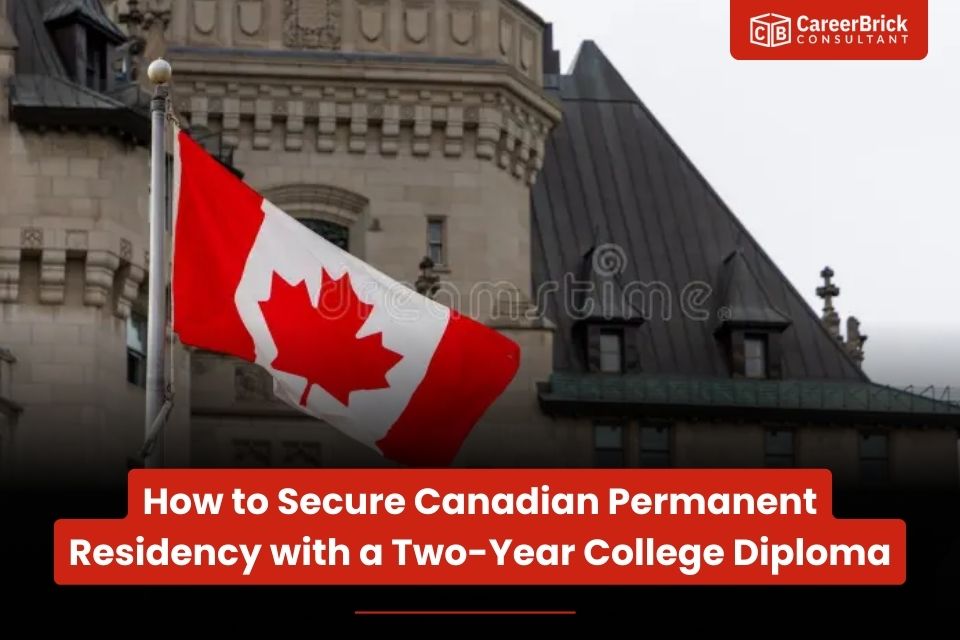
In the ever-evolving landscape of Canadian immigration, international students are constantly seeking efficient and strategic pathways to turn their educational dreams into a lifelong home in Canada. For many, the idea of pursuing permanent residency (PR) often conjures images of lengthy university degrees or advanced master's programs. However, a lesser-known yet highly effective route lies in enrolling in a two-year college diploma program. This approach not only offers affordability and practicality but also unlocks a powerful sequence of opportunities that can lead straight to Canadian PR.
At the heart of this strategy is the Post-Graduation Work Permit (PGWP), a game-changing document that allows graduates to gain valuable Canadian work experience. A two-year college program typically qualifies you for a full three-year PGWP, providing ample time to build the credentials needed for permanent status. But success doesn't happen by chance—it requires thoughtful planning from the moment you choose your program. Whether you're aiming for the Canadian Experience Class (CEC) under Express Entry, category-based draws, or provincial programs, a well-executed study-to-PR pathway can transform your aspirations into reality.
Unlocking the PGWP: Your First Step Toward PR
The PGWP is the cornerstone of this immigration journey. It serves as a bridge between your studies and professional life in Canada, giving you the legal right to work full-time in your field. For graduates of two-year programs at eligible Designated Learning Institutions (DLIs)—the only schools authorized to host international students—this permit can extend up to three years. That's three full years to accumulate the skilled work experience that immigration authorities value most.
To qualify, your program must align with Canada's focus on in-demand sectors. This includes fields like education, science, technology, engineering, mathematics (STEM), healthcare, trades, and agriculture. These programs are designed to prepare you for occupations where Canada faces shortages, making your skills highly sought after. Importantly, the field of study requirement is checked at two key points: when you first apply for your study permit and again when you submit your PGWP application. This flexibility allows students to adapt if priorities shift during their studies.
Beyond the program itself, general eligibility criteria are straightforward but non-negotiable. You must complete a program lasting at least eight months (or 900 hours in Quebec), maintain full-time student status throughout most semesters, and apply for the PGWP within 180 days of receiving your final transcript or completion letter. Language proficiency also plays a role— for non-bachelor's college programs, you'll need a Canadian Language Benchmark (CLB) or Niveaux de compétence linguistique canadiens (NCLC) level of 5 in speaking, listening, reading, and writing, tested in either English or French.
One practical tip: If your passport is nearing expiration, renew it before applying for the PGWP. The permit's validity can't exceed your travel document's expiry date, so a fresh passport ensures you get the full three years. Graduates often start working full-time even before the PGWP arrives, provided they applied correctly and meet interim work rules.
Building a Strong Foundation: From PGWP to Skilled Work Experience
Once you have your PGWP in hand, the focus shifts to accumulating Canadian work experience. This is where the magic happens for PR eligibility. The most popular federal route for PGWP holders is the Canadian Experience Class (CEC), part of the Express Entry system. To qualify for CEC, you need at least one year (1,560 hours) of skilled work in the three years before applying. The job must be in a TEER (Training, Education, Experience, and Responsibilities) category of 0, 1, 2, or 3—essentially professional, managerial, or technical roles—and it has to be paid, not self-employed.
Key nuances often trip up newcomers: Work done while studying full-time (like part-time campus jobs) generally doesn't count, though co-op placements might in some cases. Remote work only qualifies if you're physically in Canada and employed by a Canadian company. Plus, CEC applicants must intend to live outside Quebec, which has its own immigration streams.
To maximize your chances, start networking early. Many college programs include co-op terms, which are gold for building connections and gaining initial experience. Attend job fairs, join industry associations, and leverage your program's career services. The goal is a seamless transition from classroom to workplace, ideally in a role that aligns with your studies and boosts your immigration profile.
Boosting Your Express Entry Score: CRS and Category-Based Draws
Securing work experience is just the beginning. To land an Invitation to Apply (ITA) through Express Entry, your Comprehensive Ranking System (CRS) score must stand out. The CRS evaluates factors like age, education, language skills, Canadian and foreign work experience, and more. A two-year diploma earns solid points for education, and combining it with strong language results and Canadian work can push you into competitive territory.
For those whose scores fall short in general draws, category-based selection offers a lifeline. These targeted draws prioritize candidates with experience in high-priority occupations or exceptional French proficiency. Categories include healthcare, STEM, trades, agriculture, education, and even specific roles for physicians. Qualifying often requires just six months of relevant work experience in the past three years, making it more accessible than CEC alone. High French skills (NCLC 7 across all abilities) can open doors to dedicated French-language categories, which frequently have lower CRS cutoffs.
Provincial Nominee Programs: A Flexible Alternative
If Express Entry feels out of reach, Provincial Nominee Programs (PNPs) provide tailored pathways, especially for college graduates. PNPs are run by individual provinces and territories, often with streams dedicated to international students. A nomination can add 600 CRS points if aligned with Express Entry, virtually guaranteeing an ITA, or lead directly to PR.
Choosing your study province strategically matters. Ontario, for instance, has streams like the Employer Job Offer: International Student pathway, ideal for graduates with a job offer in the province. Manitoba's International Education Stream favors recent grads who meet language and employment criteria. Alberta offers entrepreneur-focused options for those starting businesses. These programs evolve, so monitoring updates and aligning your studies with provincial needs—such as tech in Ontario or healthcare in British Columbia—can give you an edge.
Real Stories of Success: Lessons from the Field
Consider Mina, a 27-year-old single graduate from a two-year college diploma. With strong bilingual skills and prior foreign work experience, she secured a TEER 1 role shortly after graduation. Her CRS score climbed from 494 after one year of Canadian work to 531 after two, easily surpassing recent CEC draw thresholds. Factors like her sibling in Canada and Canadian education added crucial points, proving how layered planning pays off.
Then there's Joseo, who studied cybersecurity in Ontario. His two-year program not only met PGWP criteria but led to a full-time job offer as a network technician. Through Ontario's International Student stream, he obtained a provincial nomination, transitioned to PR, and settled permanently—all while continuing to work on his PGWP.
These examples highlight a common thread: Early preparation, from program selection to job hunting, makes the difference.
Practical Tips for Aspiring PR Seekers
To thrive on this path, prioritize programs at reputable DLIs in provinces with robust PNP options. Invest in language training—higher CLB levels can dramatically improve your CRS. Track every work hour meticulously, and consider spousal or family factors if applicable. Stay informed about policy changes, as immigration rules adapt to labor market needs.
Challenges exist, like competitive job markets or fluctuating streams, but the rewards are immense: a stable career, access to healthcare, and the chance to build a future in one of the world's most welcoming countries.
In conclusion, a two-year college diploma isn't just an education—it's a strategic investment in your Canadian dream. With the right planning, it can lead to a three-year work permit, skilled experience, and ultimately, permanent residency. Thousands have walked this path successfully, and with determination, you can too. Start by researching eligible programs and envisioning your long-term goals. Canada is calling—are you ready to answer?