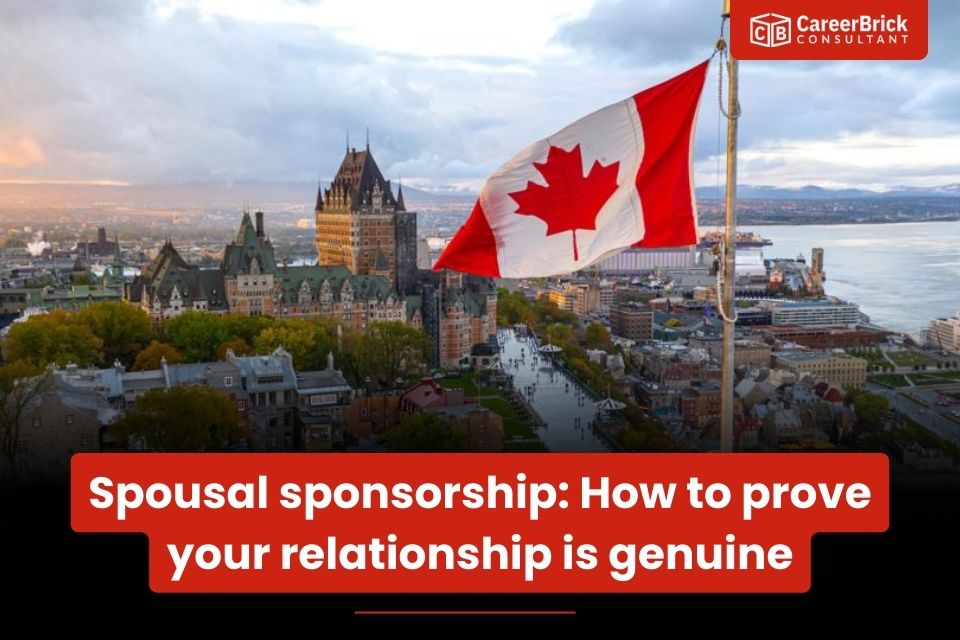
For couples navigating the Canadian spousal sponsorship process, the excitement of building a life together in Canada often comes with a hefty dose of paperwork—and one critical hurdle that can make or break an application: proving your relationship is genuine. Immigration, Refugees and Citizenship Canada (IRCC) doesn't just take your word for it. They scrutinize every detail to ensure the partnership isn't primarily for immigration benefits. This requirement, rooted in the Immigration and Refugee Protection Regulations, aims to protect the integrity of the system while honoring real family ties.
Whether you're applying as a spouse, common-law partner, or conjugal partner, the bar is high. IRCC officers look for evidence of a committed, ongoing relationship that mirrors what you'd expect from any loving couple. The good news? With thoughtful preparation and the right documentation, you can build a compelling case that leaves little room for doubt. In this guide, we'll break down what "genuine" really means, the types of proof that carry the most weight, and strategies to strengthen your submission.
Understanding What IRCC Means by a "Genuine" Relationship
At the heart of spousal sponsorship is the concept of a bona fide relationship—one that's real, voluntary, and not entered into solely for status. Officers evaluate this through a holistic lens, considering the full picture of your lives together. Key factors include:
- Commitment and Intent: Have you made long-term plans? Do you share responsibilities, goals, and emotional support?
- Duration and Continuity: How long have you been together? Short relationships aren't automatically disqualified, but they require stronger evidence to offset the brevity.
- Social Integration: Do friends and family recognize you as a couple? Have you been part of each other's social circles?
- Financial Interdependence: Are your lives intertwined economically, or does one partner solely support the other without mutual benefit?
It's not about perfection—many couples have gaps in documentation due to distance, cultural differences, or life circumstances. What matters is the overall narrative. A well-crafted sponsorship application tells a story: how you met, how your bond deepened, and why Canada is the next chapter.
The Power of Documentary Evidence: Building Your Case Layer by Layer
IRCC categorizes proof into several buckets, and the strongest applications draw from all of them. Here's how to approach each:
1. Financial Evidence: Show Shared Lives and Responsibilities
Money talks, and in sponsorship, it speaks volumes about interdependence. Joint bank accounts, shared credit cards, and co-signed loans demonstrate trust and partnership. If you're married, include proof of joint tax filings or insurance policies listing each other as beneficiaries.
For couples who've lived apart (common in international relationships), focus on transfers, shared expenses like travel or gifts, and affidavits explaining the setup. A common-law couple might submit utility bills in both names or a lease agreement. Remember: volume helps, but quality trumps quantity. A single detailed explanation of how you've supported each other financially can outweigh a stack of unrelated receipts.
2. Social and Community Proof: Let Others Validate Your Bond
Photos are powerful, but they need context. Curate a selection spanning your relationship—wedding days, holidays, everyday moments with friends and family. Include captions or timelines to explain significance.
Beyond images, gather letters from close contacts: parents, siblings, colleagues, or neighbors who can attest to your relationship's authenticity. These "support letters" should be specific, mentioning how they know you as a couple and providing examples of shared experiences. Social media printouts (with timestamps) showing public acknowledgments, like anniversary posts or tagged events, add another layer.
If cultural or religious elements play a role, include evidence of ceremonies, community involvement, or traditions you've embraced together.
3. Emotional and Communication Records: The Heart of Your Story
Long-distance relationships often shine here. Screenshots of messages, emails, or video call logs reveal the depth of your connection. Focus on substantive exchanges—discussions about future plans, emotional support during tough times—rather than generic "I miss you" texts.
Travel records are gold: flight itineraries, hotel bookings, and passport stamps prove in-person time together. For conjugal partners (those unable to marry or live together due to legal barriers), emphasize why cohabitation wasn't possible and how you've maintained the relationship despite it.
4. Legal and Official Documents: The Foundation
Start with the basics—marriage certificates, common-law declarations, or proof of conjugal status. Divorce decrees or custody agreements (if applicable) show transparency about past relationships.
For inland applications (where the sponsored partner is already in Canada), include proof of cohabitation like joint mail or driver's licenses. Outland applicants might highlight visits and ongoing communication.
Common Red Flags and How to Address Them
Even strong relationships can raise eyebrows if documentation feels thin. Large age gaps, short timelines before sponsorship, or previous sponsorships might trigger extra scrutiny. Officers aren't judging your love—they're checking for red flags like arranged marriages for gain or hidden dependencies.
Counter these proactively:
- Address Gaps Head-On: Use a detailed relationship history letter (often called a "letter of explanation") to connect the dots. Explain cultural norms, work separations, or pandemic disruptions.
- Avoid Overkill: Don't fabricate evidence. Inconsistencies can lead to refusals or even bans.
- Seek Professional Input: A regulated consultant or lawyer can review your package for balance and completeness.
Timing, Strategy, and Life After Approval
Applications can take 12 months or more, so submit when your evidence is at its strongest. Update IRCC if circumstances change, like a new job or relocation, to keep your file current.
Once approved, the real work begins: settling in Canada as a sponsored family. Many couples find that the process, though rigorous, strengthens their bond through shared challenges.
Proving a genuine relationship isn't about ticking boxes—it's about authentically showcasing the life you've built. By combining solid documents with a compelling narrative, you turn what could be a stressful requirement into a celebration of your partnership. For couples ready to call Canada home, this step is the bridge to a shared future filled with possibility.
If you're embarking on this journey, remember: genuineness isn't hidden in perfection. It's in the everyday proofs of love, commitment, and mutual growth that define a real relationship.
Written by Gunjyot Singh